


Paints a picture of the mind
Q. As a “doctor who paints,”
what kind of healing or positive
energy do you hope to convey
through your artwork as an artist,
beyond your identity as a physician?
I hope to offer empathy
and understanding to my patients,
and at the same time,
help the general public
approach the unseen struggles
and inner conflicts that patients
experience in a more accessible way.
Through my work,
I want to reduce the prejudice
and misunderstandings that still exist
in society toward psychiatric patients.
Rather than using my art as a way to express myself,
I see my canvas and brush as a medium
through which my patients’
emotions can be expressed.
My goal is to convey a sense of compassion,
understanding, and harmony helping viewers
more easily relate to and understand
what these patients are going through,
while contributing a small
but meaningful positive influence.
Q. What was the inspiration
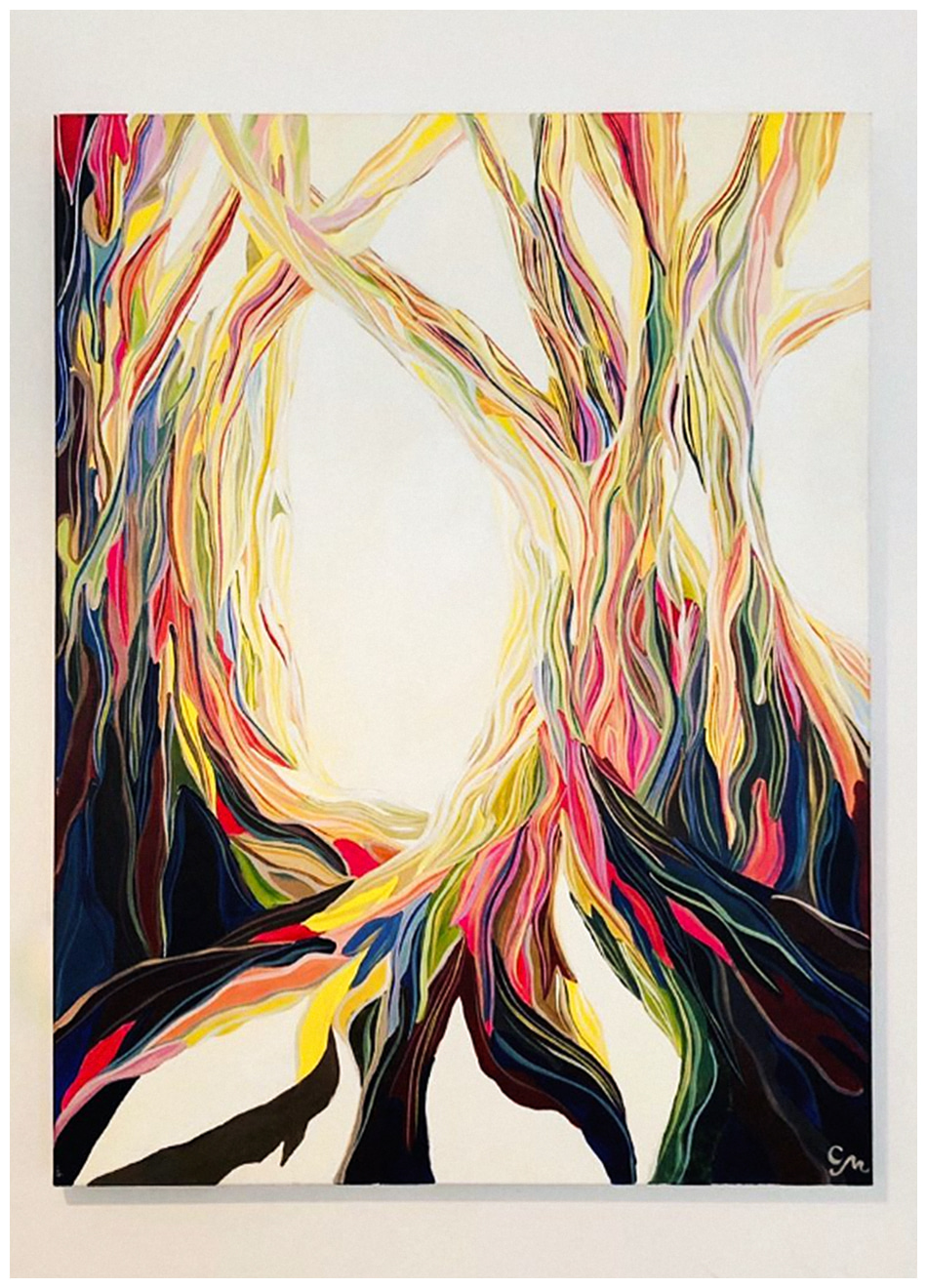
behind your work titled
“Concealed Depression: Isolation”?
The inspiration comes from my observations
and emotional reflections toward patients.
I wanted to express understanding for those who,
due to certain prejudices or societal perceptions,
are unable to seek treatment even
when they have the willingness to do so.
Through this work, I also hoped to help viewers
better understand the struggles
and complex circumstances
experienced by psychiatric patients,
making their reality more approachable
and less misunderstood.
Like many individuals dealing
with mental health conditions,
the piece may initially appear
visually vibrant or even beautiful.
However, beneath that surface
lies a darker color palette,
with subtle silhouettes of people
embedded in the background.
Through this contrast, I tried to depict
how easily we overlook the emotional suffering
of those around us, and how such unseen
pain often leads to deeper isolation.
My intention was to create an accessible
visual language that brings attention to the quiet,
hidden suffering of others.
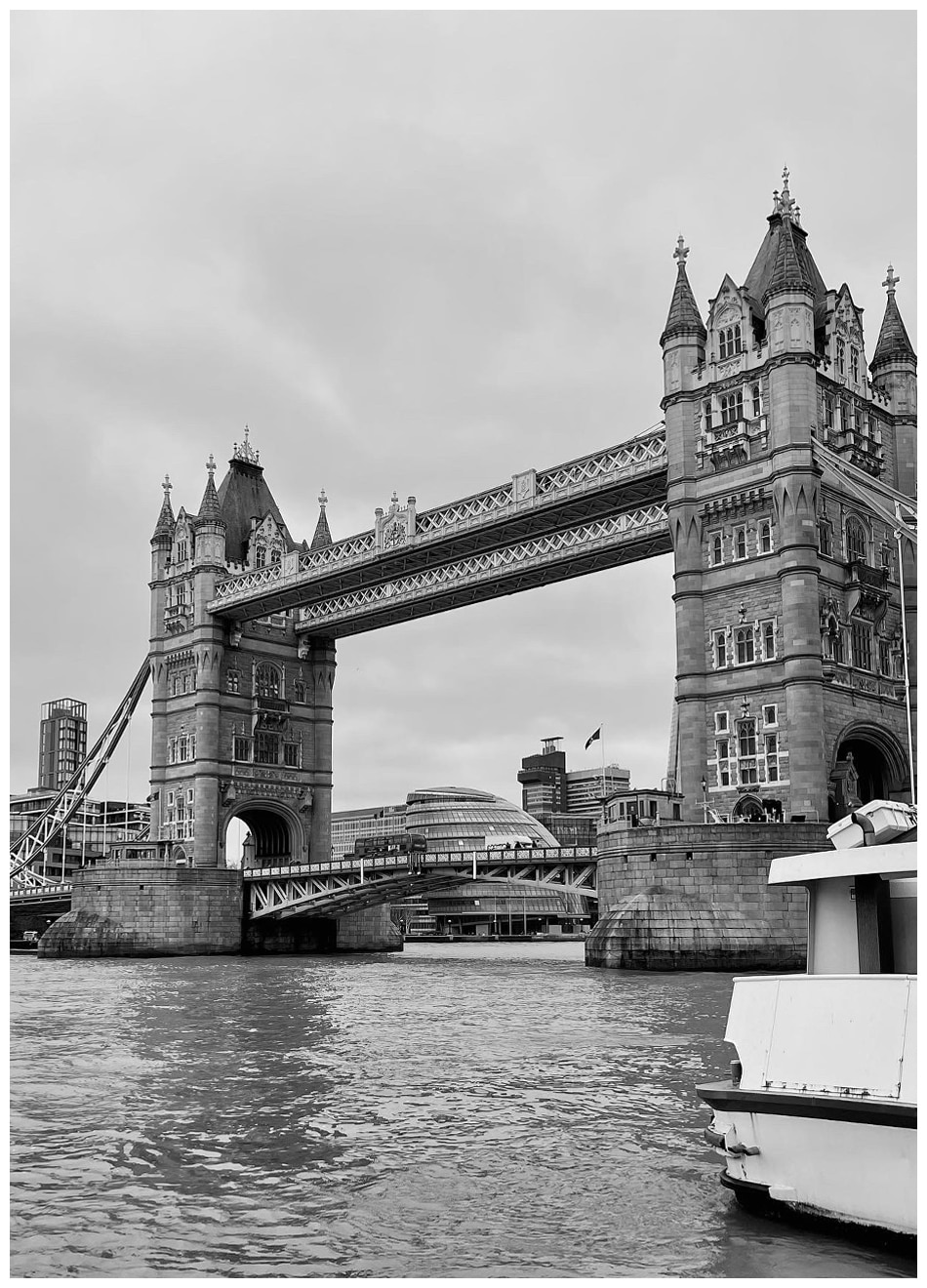
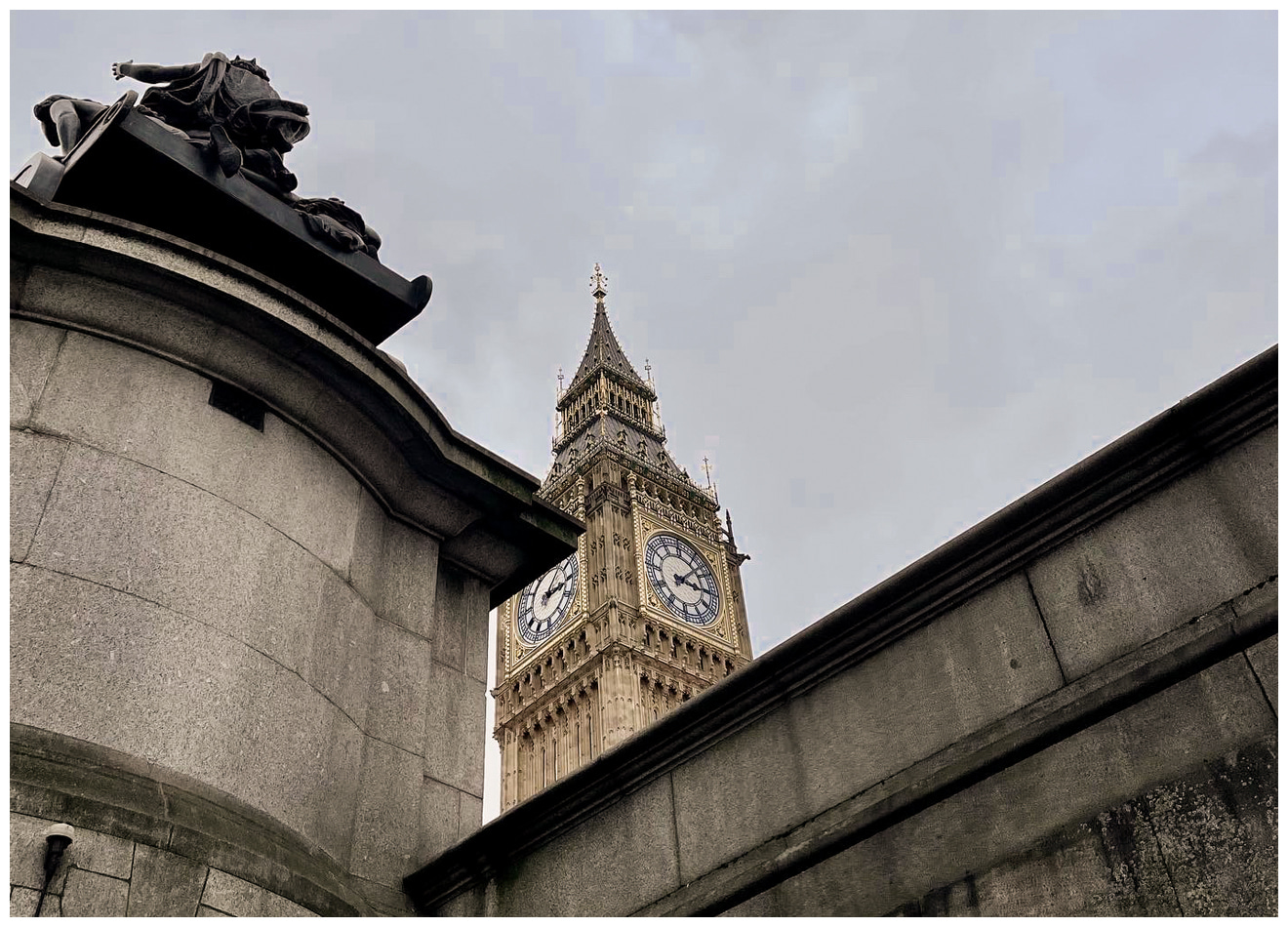
Q. What place or travel destination
would you most recommend in the UK?
The United Kingdom feels like a country
where many parts of Europe come
together in one place.
It carries a sense of grandeur
and old-world charm,
and the history embedded in each city
is something that cannot truly be captured
in photographs alone.
If I had to choose one place,
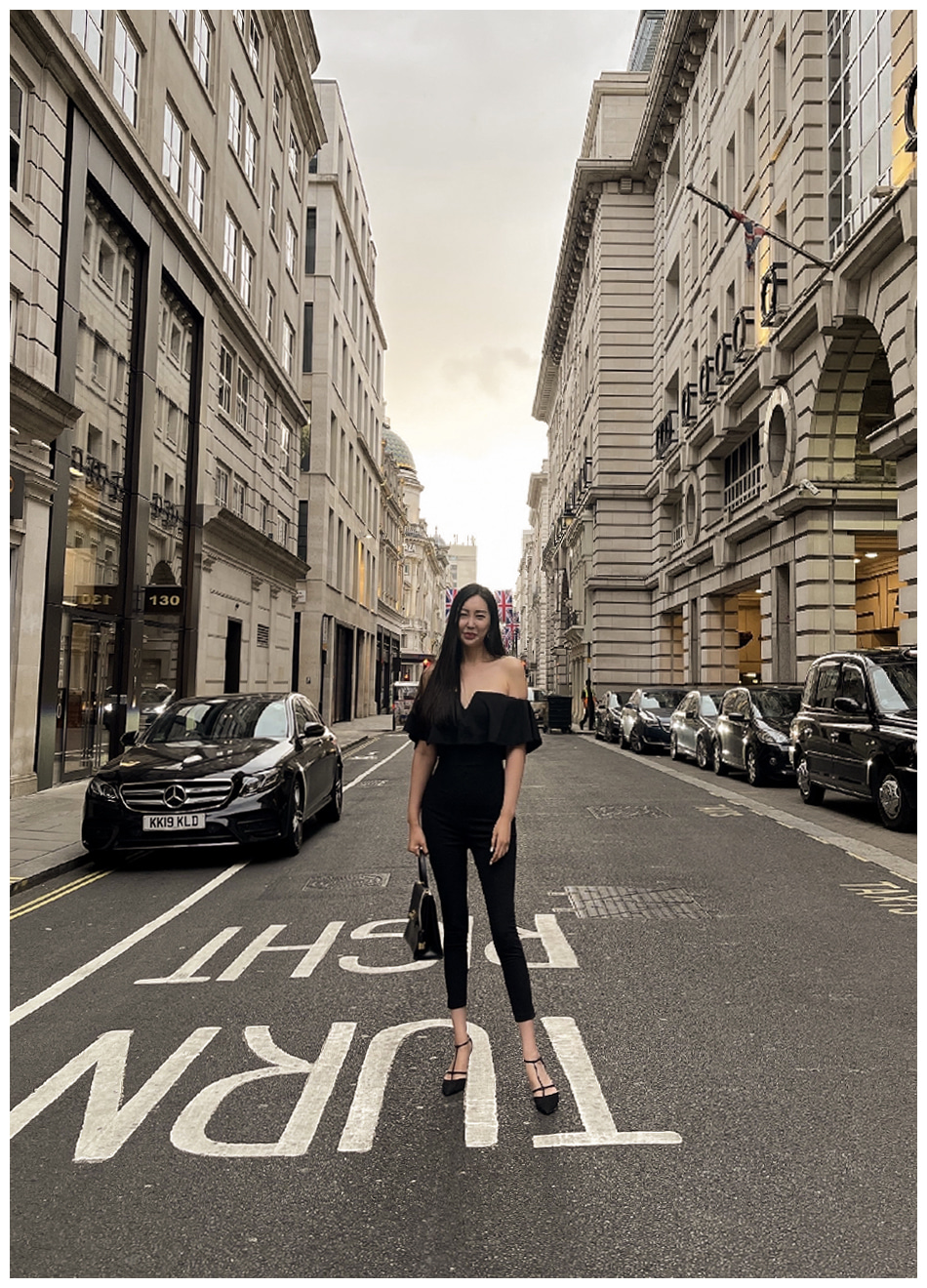
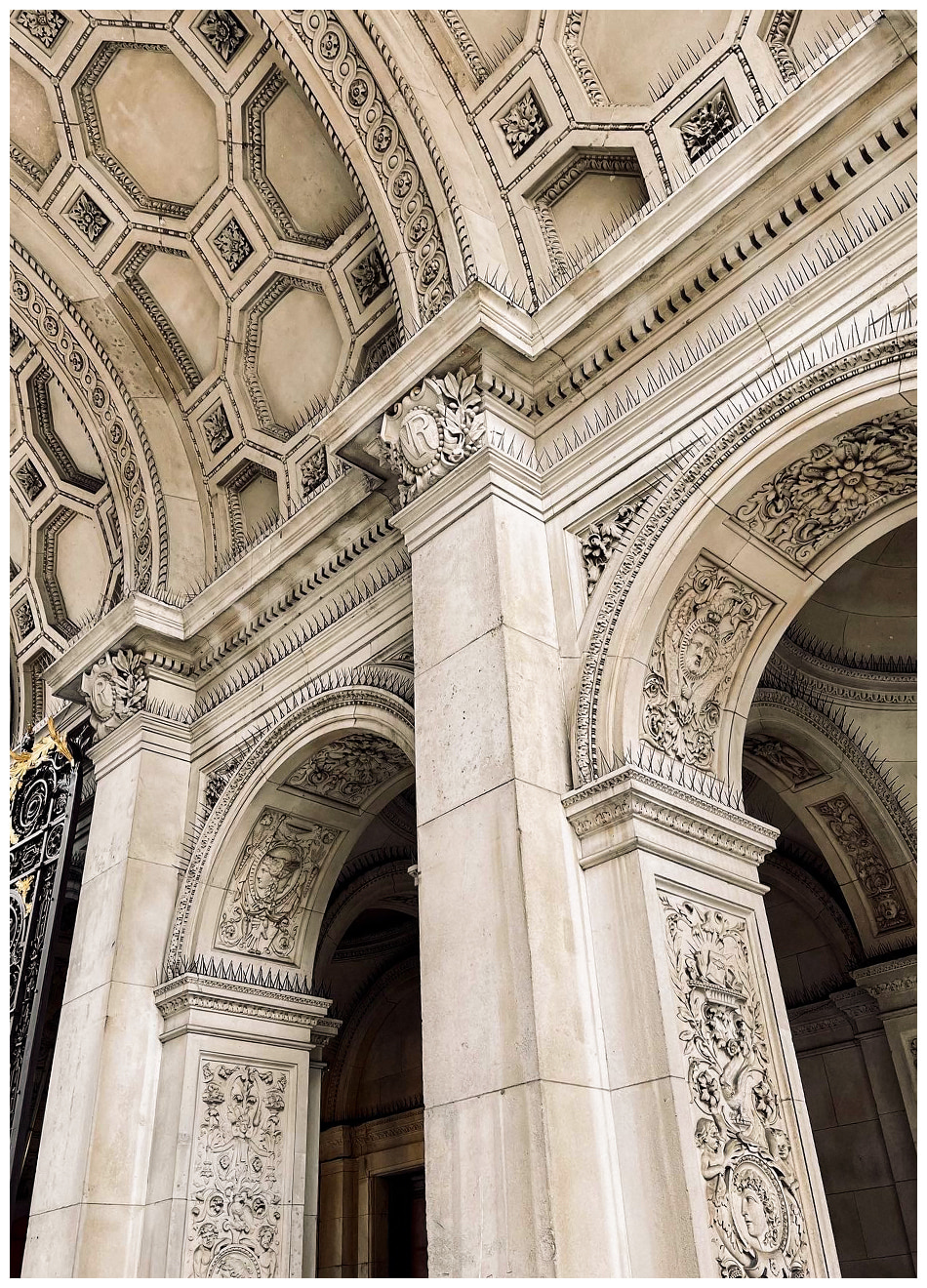
I would recommend Regent Street
in central London.
It is a long, gracefully curved road
that unfolds as you walk,
surrounded by magnificent buildings designed
with intricate detail, each one like a piece of art.
As you move along the street,
it feels as if a stage curtain is slowly opening.
Walking there, you almost feel like an actor on stage,
and even the simplest photo taken
along the way looks like a fashion editorial.
Q. What is your favorite fashion code?
My fashion codes are “modern classic”
and “simple & structured.”
I don’t follow trends. Instead,
I focus on truly understanding my own body,
which I believe is the true starting point of fashion.
With a height of 173 cm and
a naturally more Western body line,
I tend to choose styles
that emphasize my strengths.
Since I have a more defined
silhouette with longer limbs,
I prefer outfits that highlight my shape
rather than oversized or boxy styles.
My favorite looks are timeless structured blazers
and dresses that enhance the natural lines of the body.
For example, I often focus on bold cuts
and silhouettes that are designed
to enhance my body proportions.
In this way, I lean toward a more Western-inspired
styling approach with confidence.
Q. If you could go back to the past,
which moment would you return to first,
and why?
If I could go back, I would return to 1997–1998.
Those were the final two years before I immigrated,
and also my middle school years,
when I first began to imagine my future
and dream more seriously
about what I wanted to become.
I remember unfolding a world map
and imagining myself traveling across countries,
building an international life and pursuing a global path.
More than anything, those years felt incredibly pure.
My friends, my school life, and that sense
of simplicity made it feel like the entire
world I knew at the time.
I think I miss that innocence and the
way everything felt so full and meaningful back then.
Q. What is your favorite brunch menu
that you enjoy regularly?
One of my long-time favorite brunch dishes
is Eggs Benedict made with fresh salmon,
poached eggs, and hollandaise sauce.
Since coming to the UK,
I have also come to enjoy a traditional
English breakfast, especially black pudding.
I like these kinds of meals because
they are simple and not overly stimulating.
In particular, I would recommend
a brunch restaurant called The Wolseley,
located in Piccadilly, London.
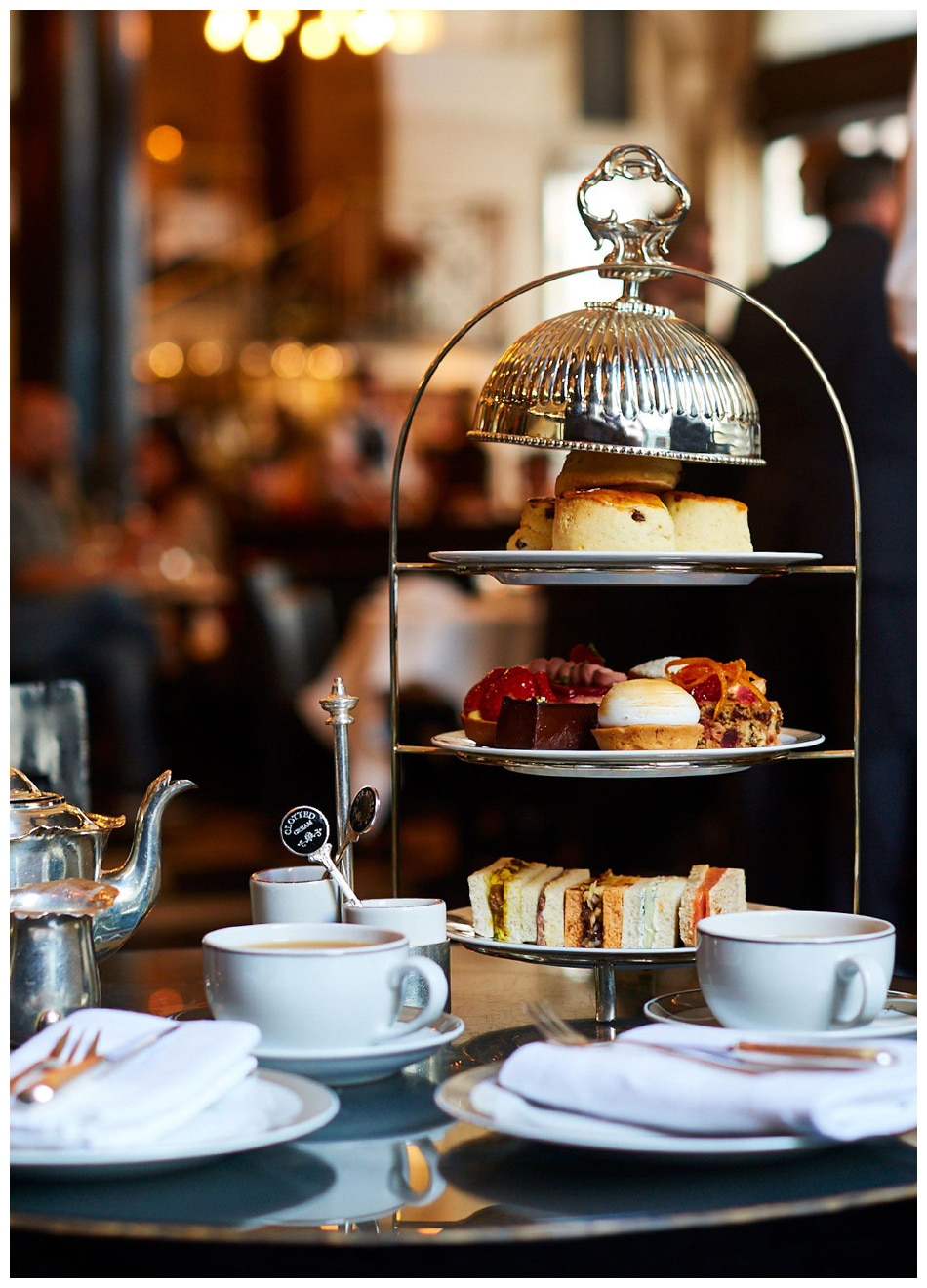
In the UK, however, afternoon tea
is perhaps even more iconic than brunch.
I often enjoy it during relaxed afternoons,
with its beautifully layered selection
of sweets and sandwiches.
I also really enjoy cream tea,
which is a very British tradition.
It does not refer to cream in the tea itself,
but rather to scones served with clotted cream
and jam alongside tea. It is simple,
comforting, and deeply satisfying.
Q. Despite your busy schedule,
what is the reason you consistently continue
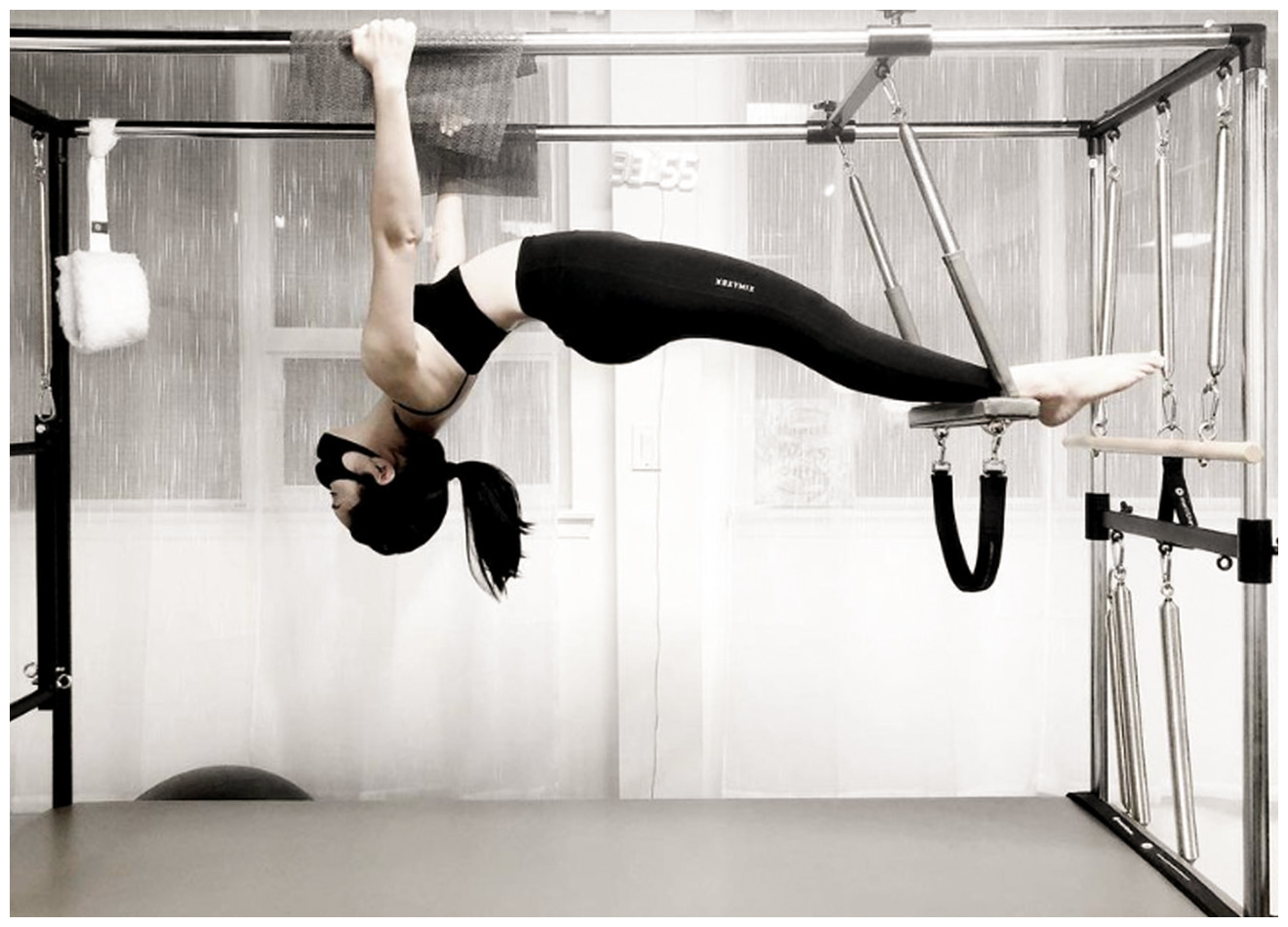
with ballet fit and rehabilitative Pilates?
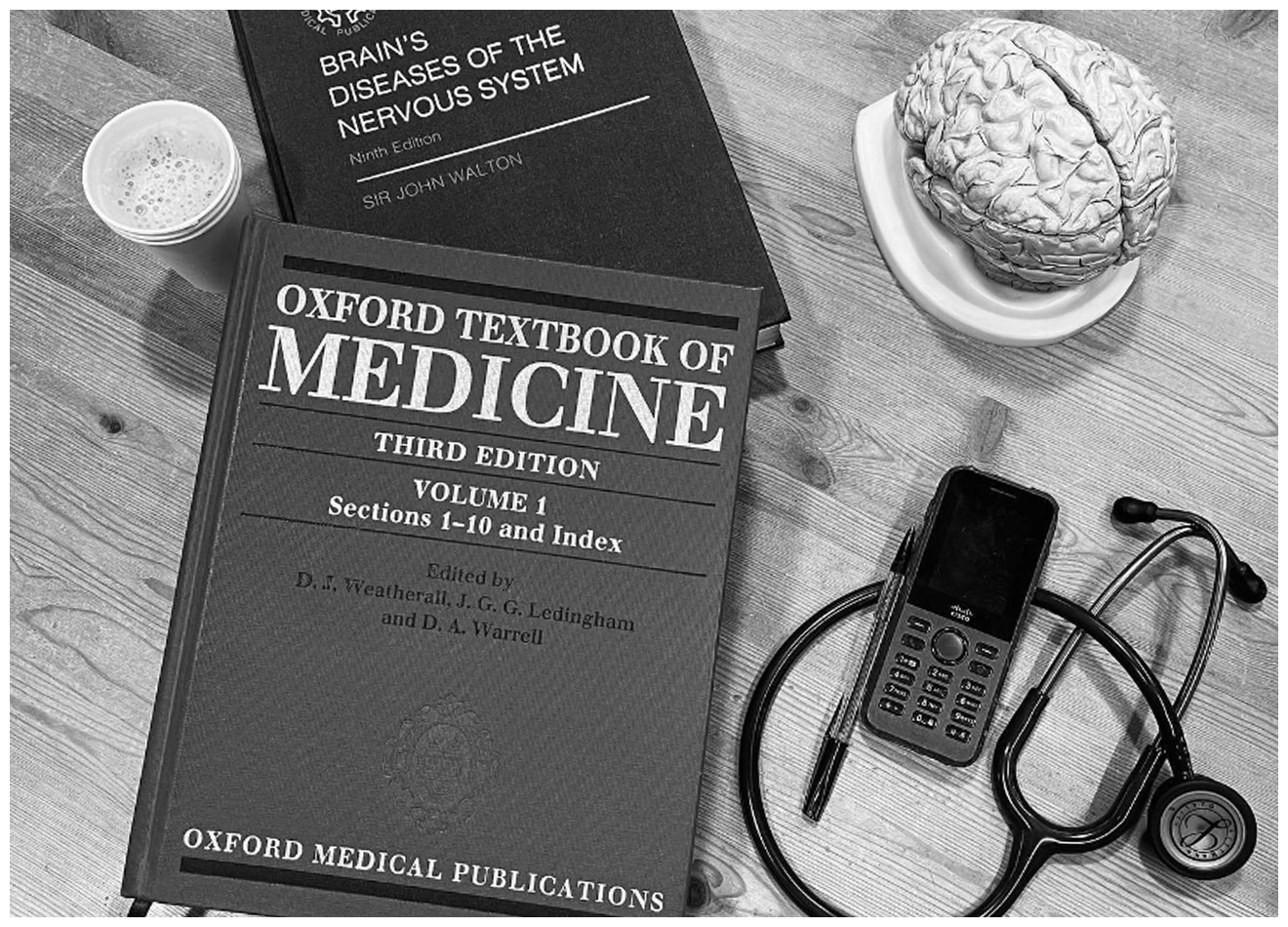
When I decided to become a doctor,
I used to push myself far
beyond my limits in studying.
I would study up to 20 hours a day,
sometimes even falling asleep
while holding a book.
Over time, this intense routine led me
to develop a cervical disc herniation,
and the pain became quite severe.
That was when I first became interested
in ballet and rehabilitative Pilates,
and I began focusing on managing
my condition consistently.
Through breathing techniques and
strengthening deep stabilizing muscles,
I work on correcting my posture
and preventing strain on my neck and lower back.
Of course, an added benefit is that
my body also becomes more balanced
and beautifully aligned.
Ultimately, I believe that a healthy body
is essential in order to properly care for my patients,
which is why I continue to prioritize
my health and physical well-being.
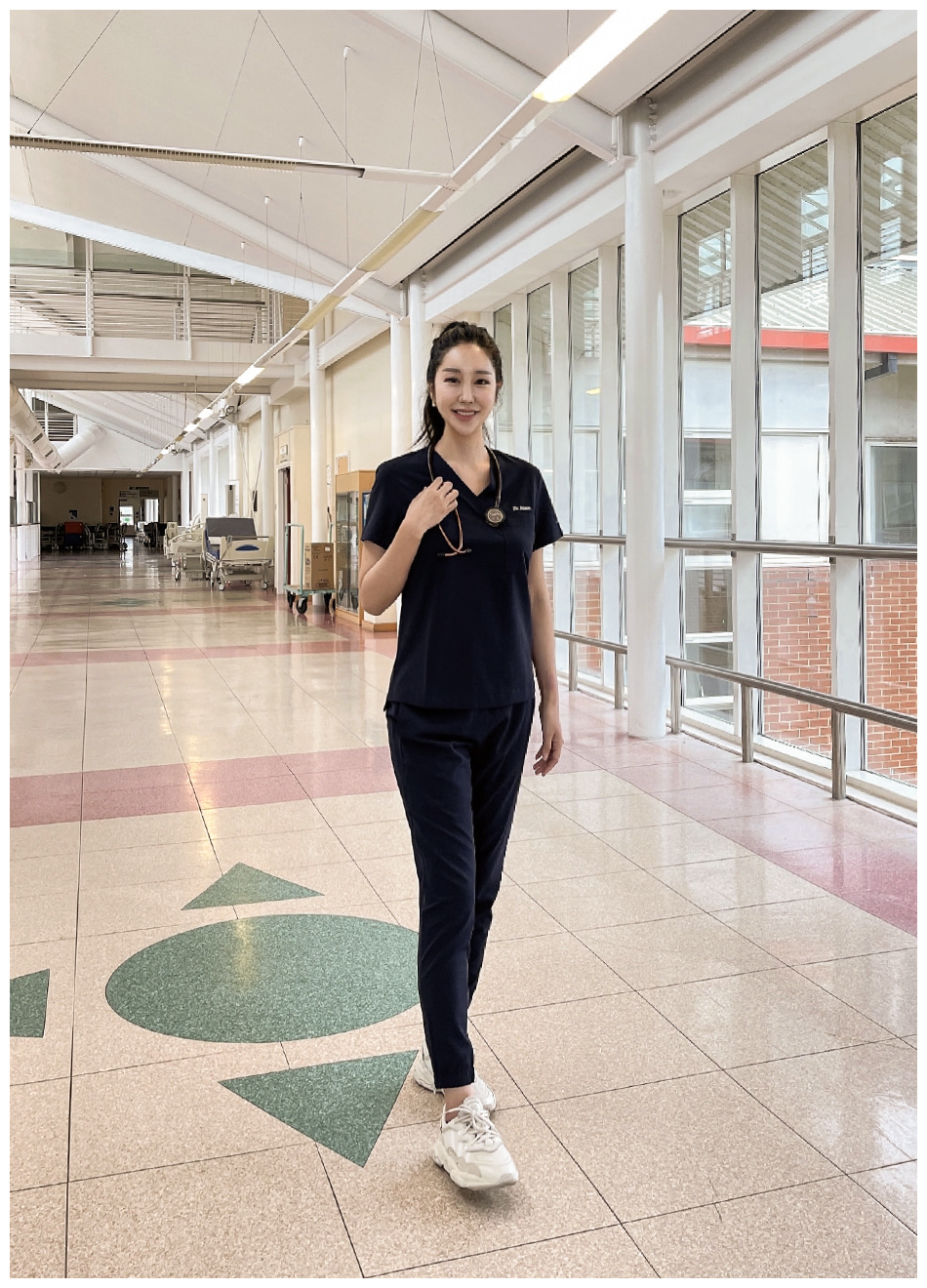
Q. You seem to truly enjoy
and beautifully embrace life in the UK.
What does England mean in your life?
England is like a “stage”
where I am able to fully unfold my life.
It is a place that has given me opportunities
to grow and expand as a doctor,
and for that, I am deeply grateful.
Because of that, I always try to approach
my patients with humility and a sincere heart.
I have lived in four countries so far Korea, Canada,
the United States, and the United Kingdom.
Among them, Korea is the country I love the most,
while the UK is undeniably the most fascinating
and captivating place for me.
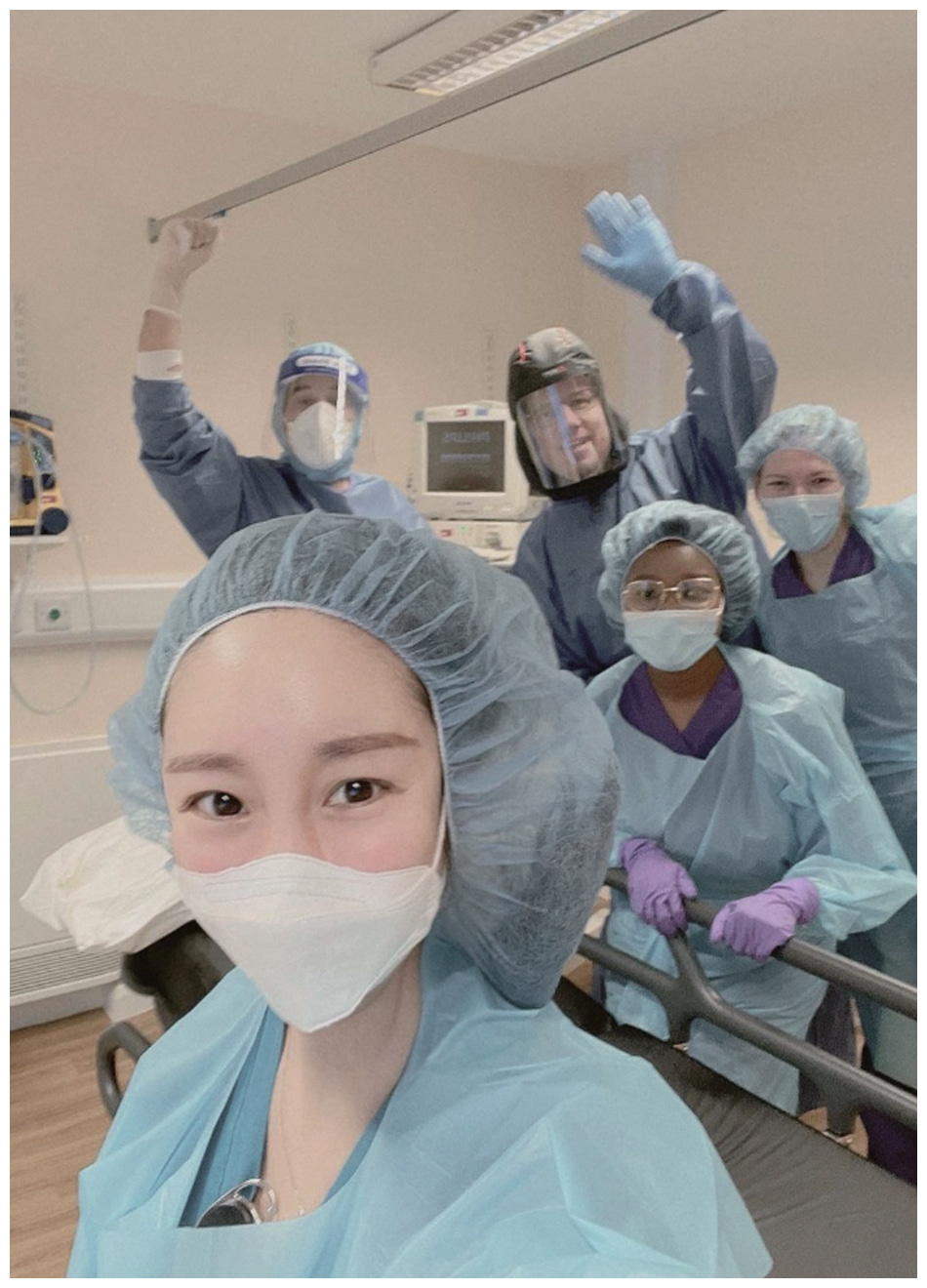
Q. What is the most important thing you keep
in mind when treating patients?
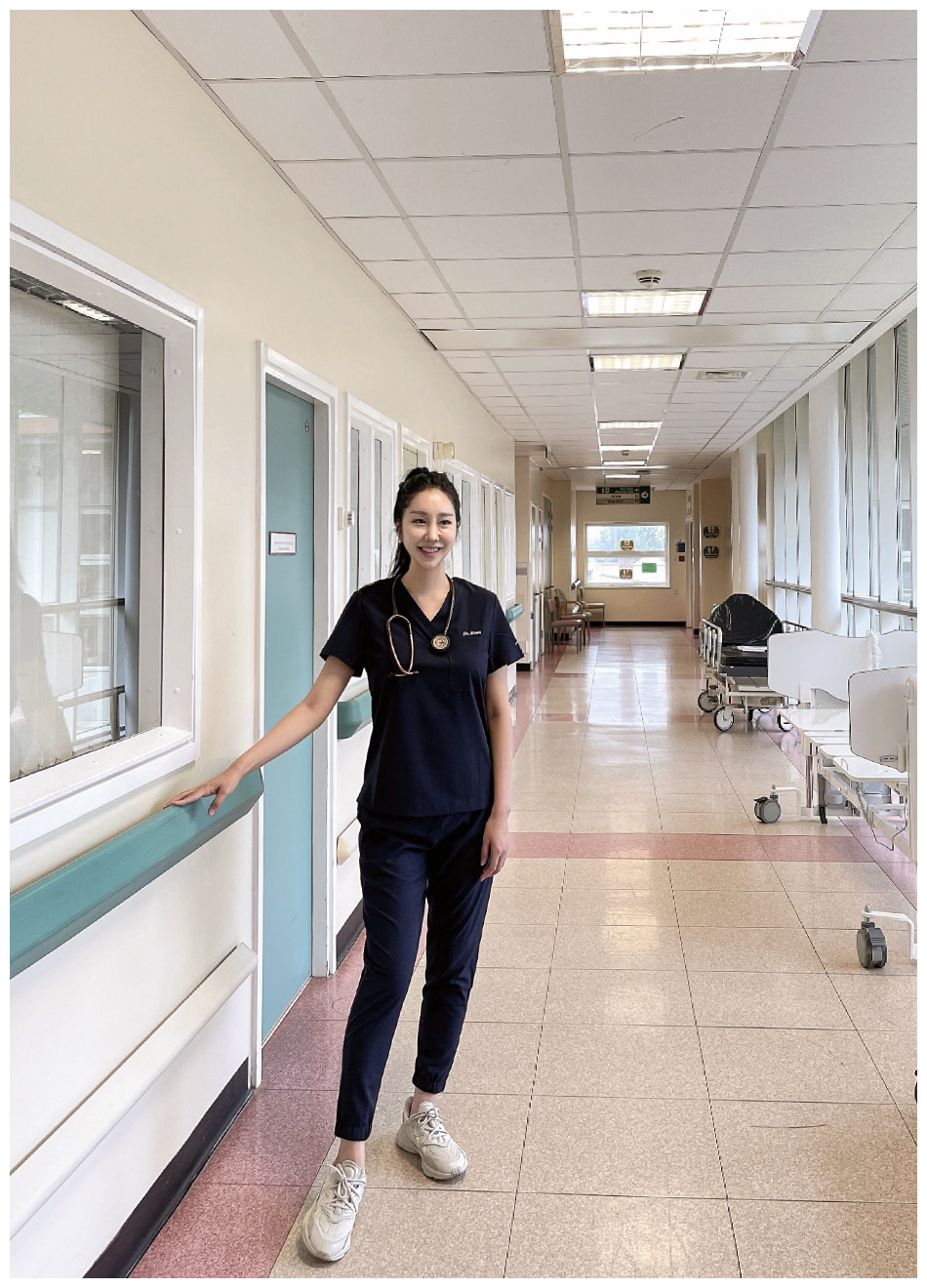
A sense of mission and responsibility.
With compassion and an accurate diagnosis,
my core goal is to do everything
I can to help patients recover.
Based on this sense of duty and accountability,
I am driven by one clear purpose: to ensure
that patients receive the treatment they need
and are able to return to society and continue
their lives as active members once again.
That belief is both the most important principle
in my practice and the greatest source
of motivation in my work.
